
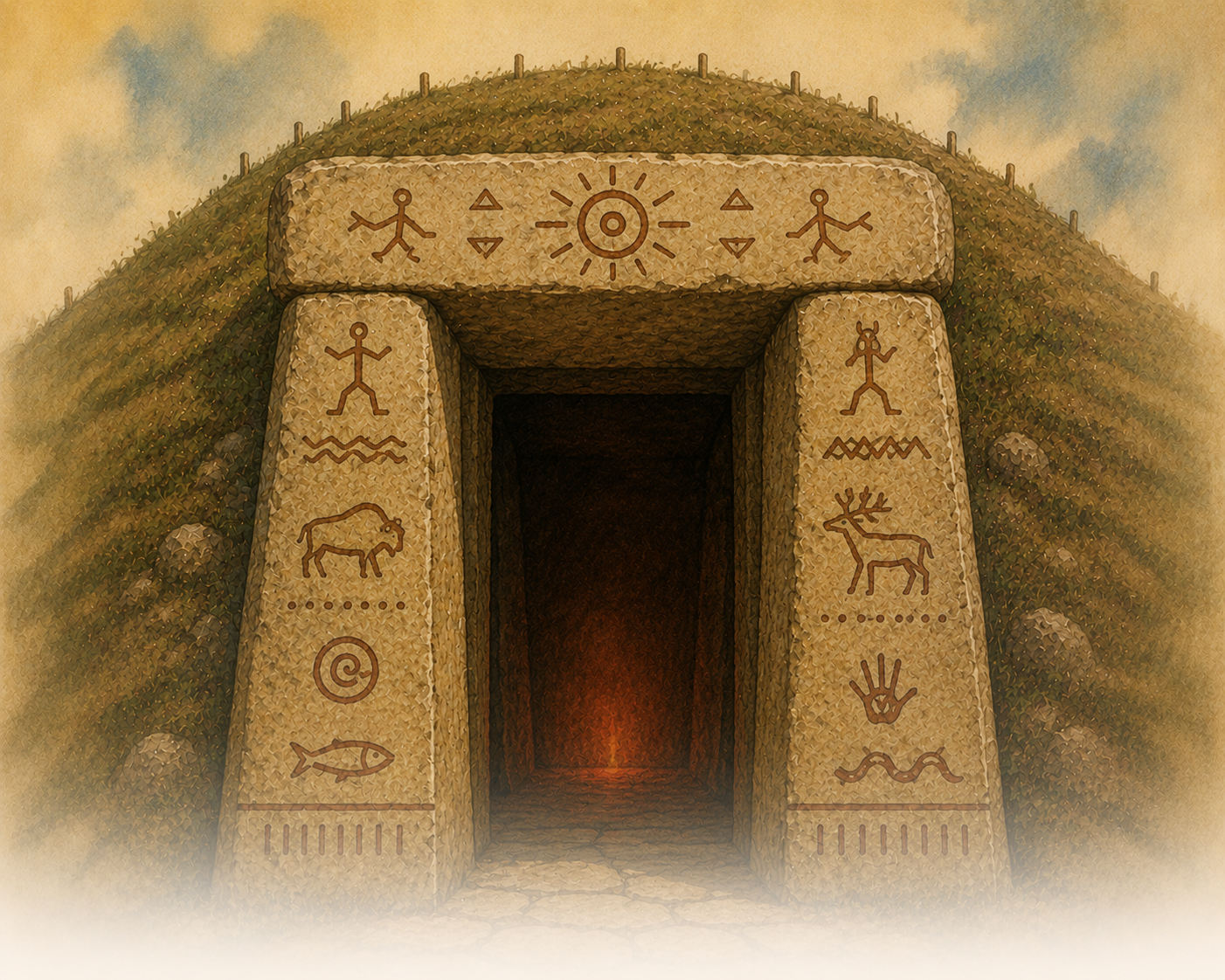
The Indigenous Peoples Hall explores the diverse cultures, histories, material traditions, and lived experiences of Indigenous peoples through books, artifacts, art, ethnographic works, and other objects in the Anthrofolklorist collection.
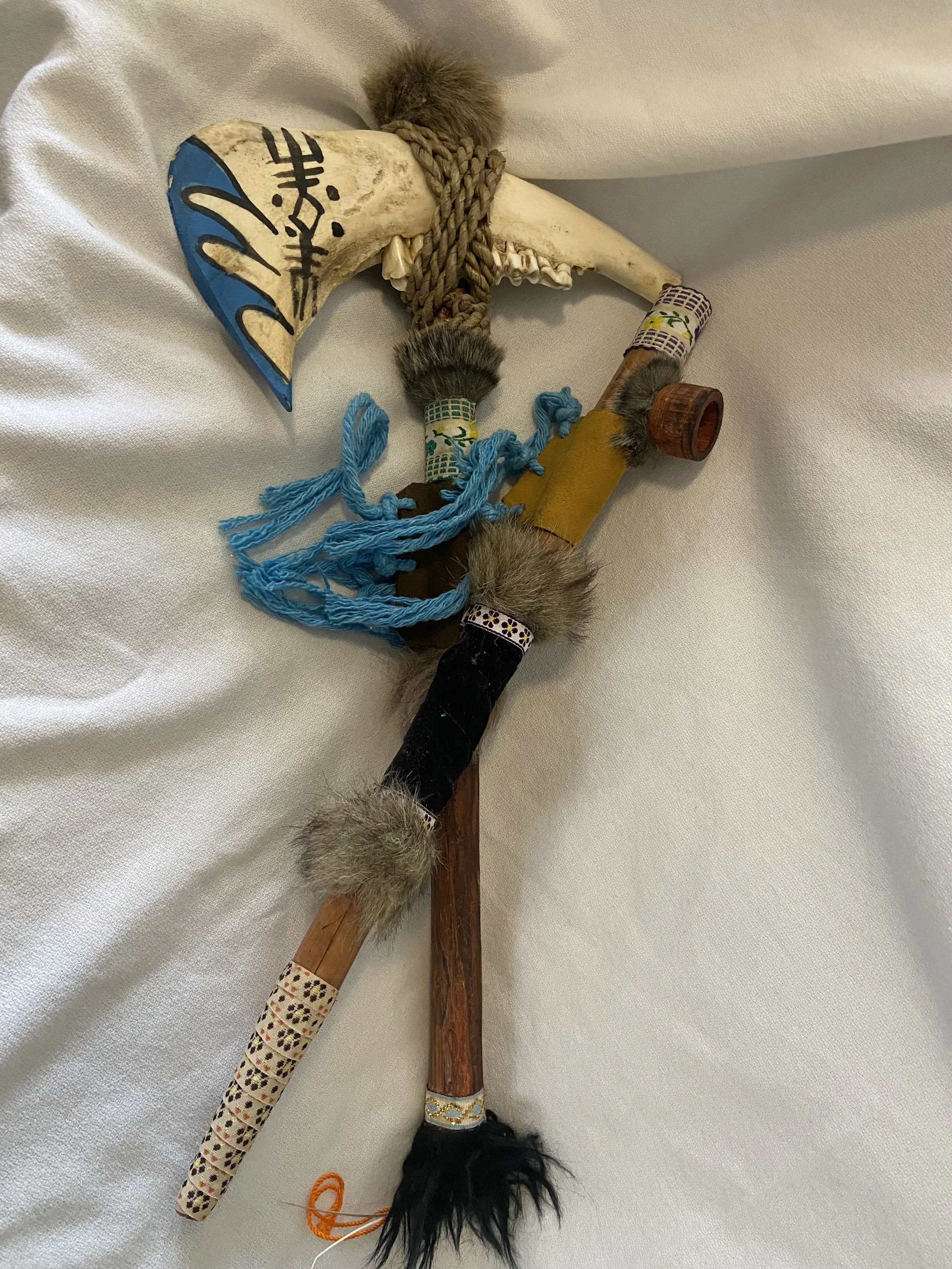
Native American–Style Peace Pipe and Bone Tomahawk
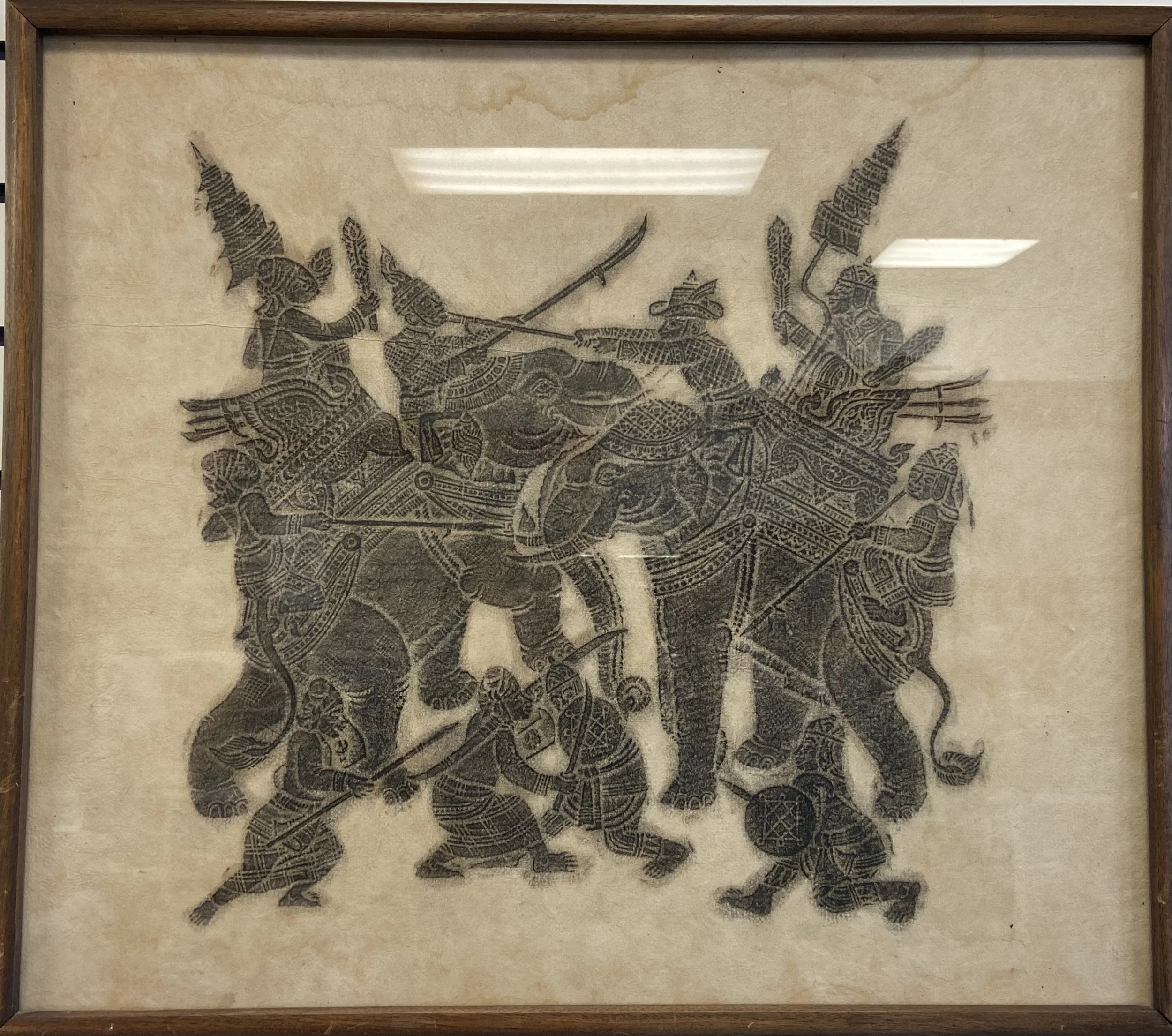
This striking vintage Thai temple rubbing features warriors mounted on elephants, dramatically captured in motion. The artwork was likely created on traditional rice paper using charcoal, a method historically used to preserve intricate temple carvings through hand-rendered impressions. Temple rubbings such as this were especially popular among travelers and collectors during the 1960s, when artisans would gently press rice paper over carved stone reliefs and apply charcoal to reveal the detailed imagery beneath. Each piece carries subtle variations, giving it a unique, hand-crafted character. The scene depicted is believed to be from the Ramakien, Thailand’s national epic derived from the Indian Ramayana. Elephant-mounted warriors frequently appear in these narratives, symbolizing royal power, valor, and divine conflict.
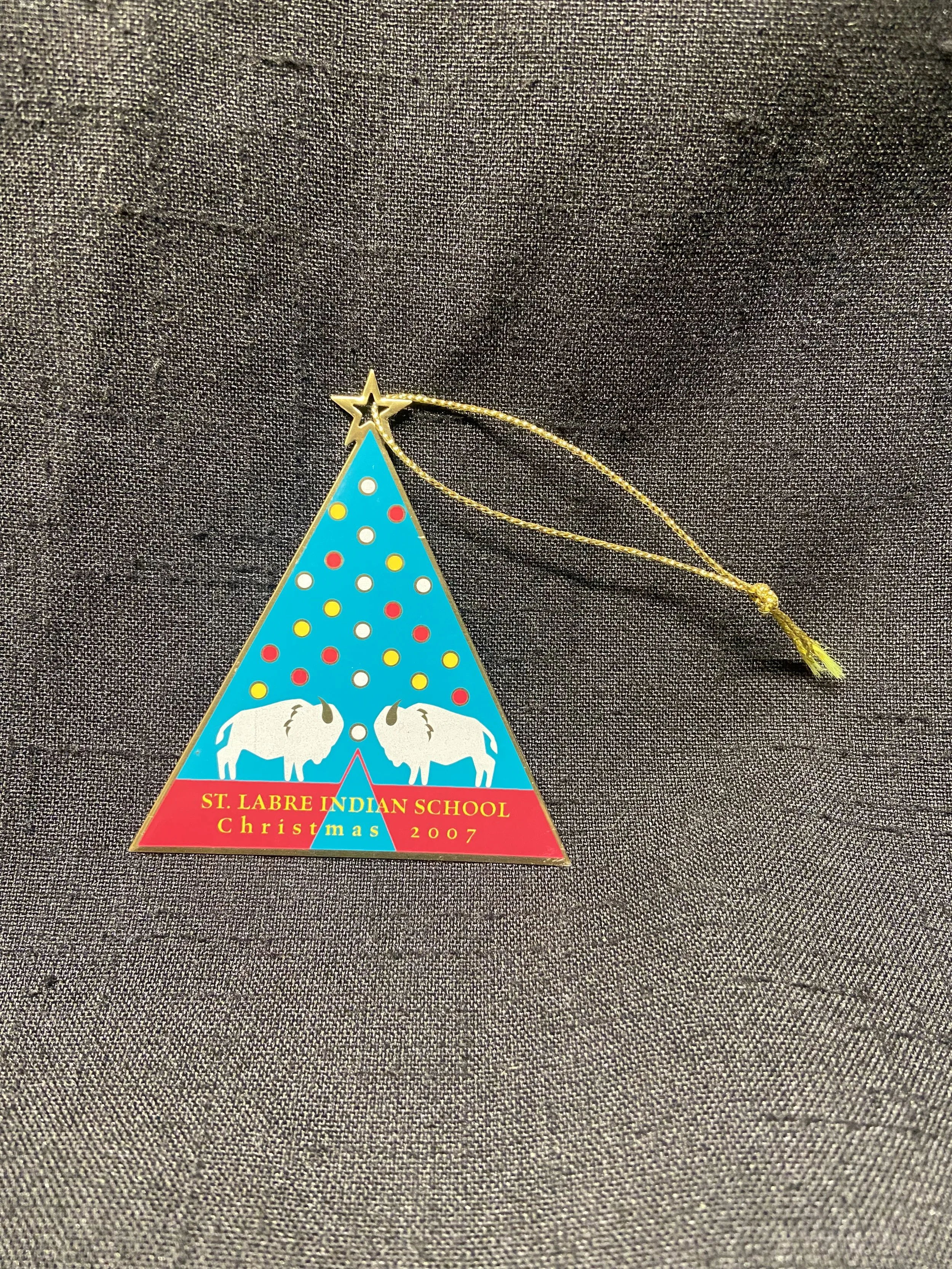
2007 St Labre Indian School Christmas Ornament
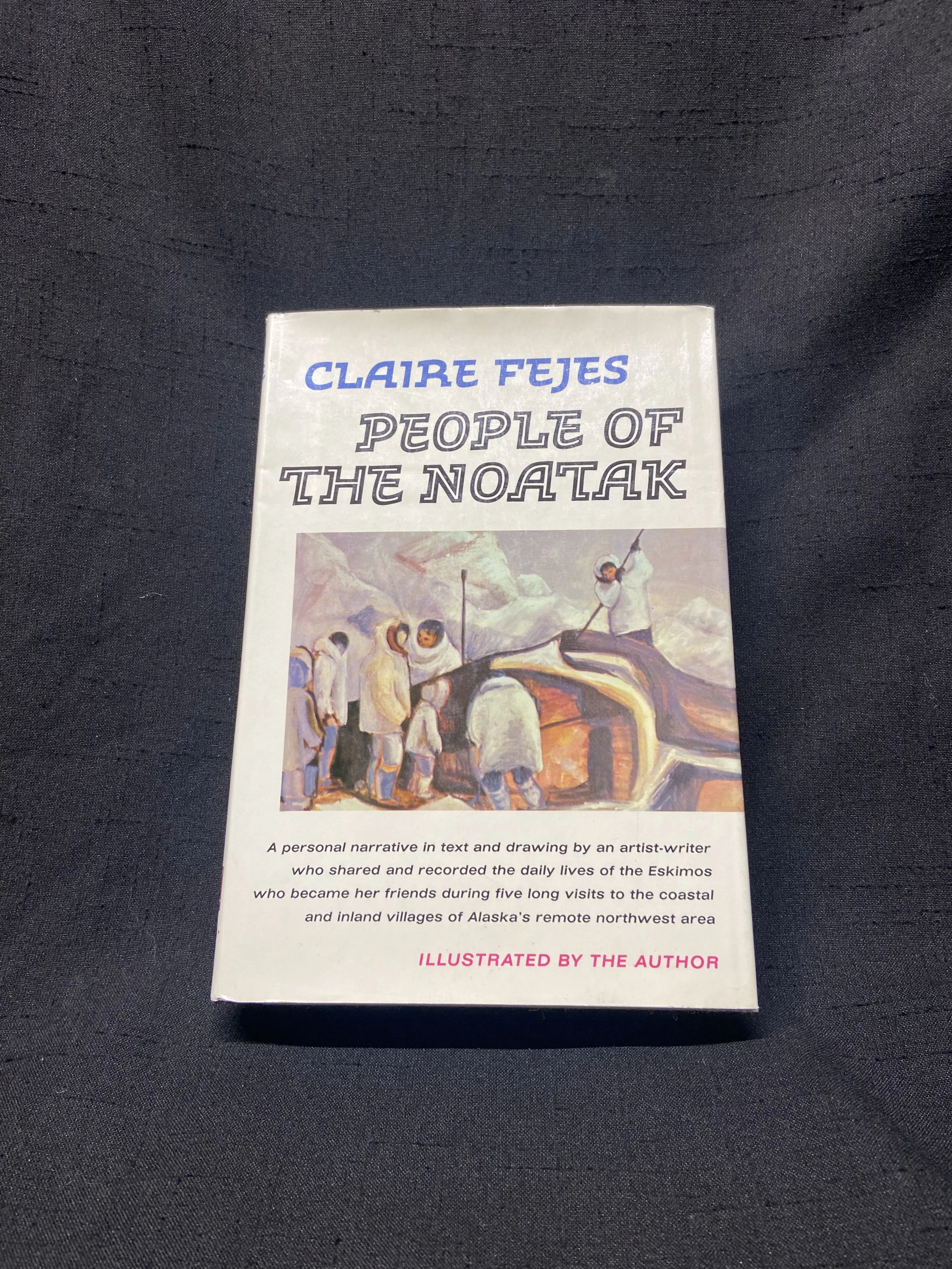
People of the Noatak
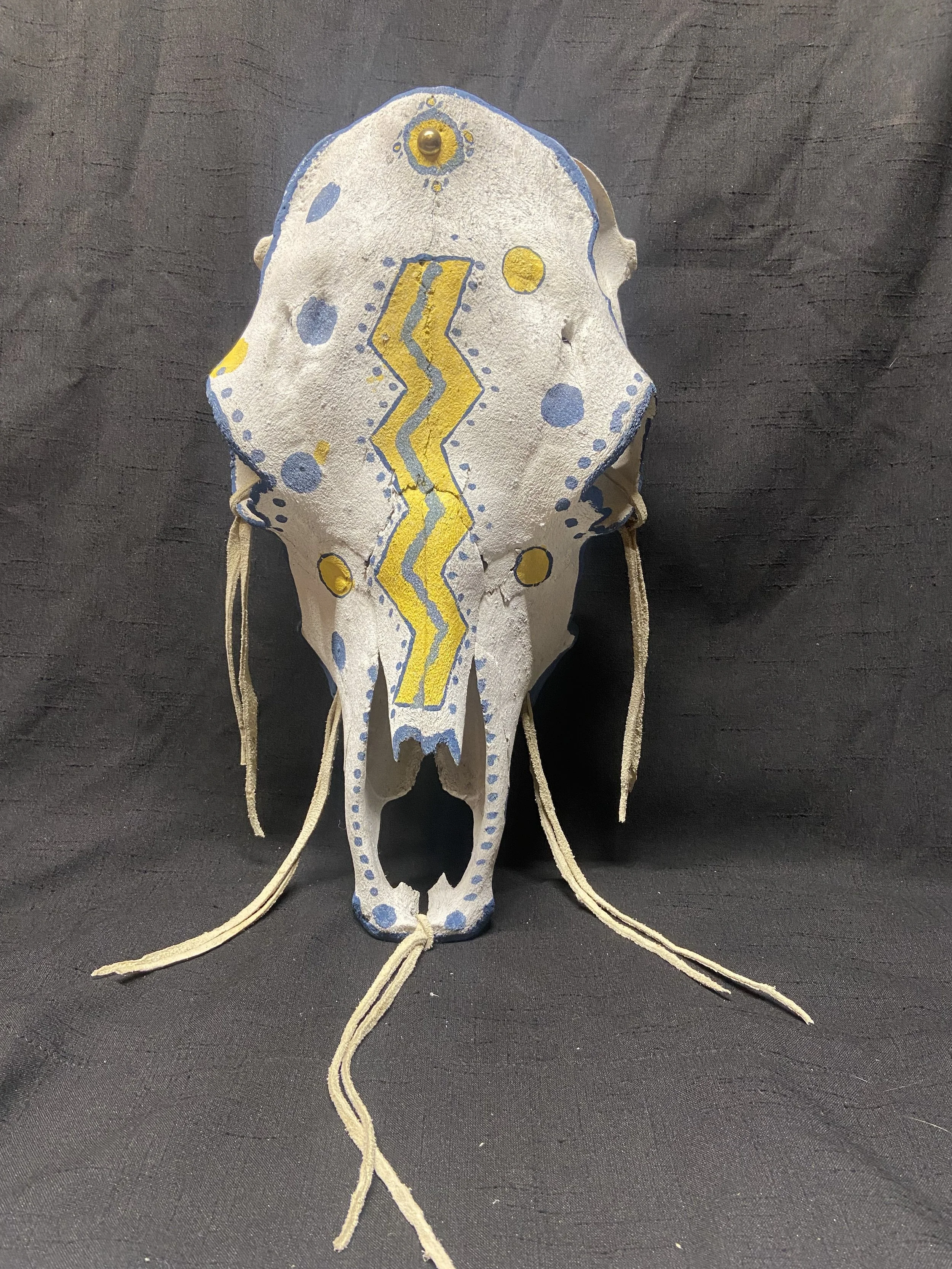
Painted Cow Skull
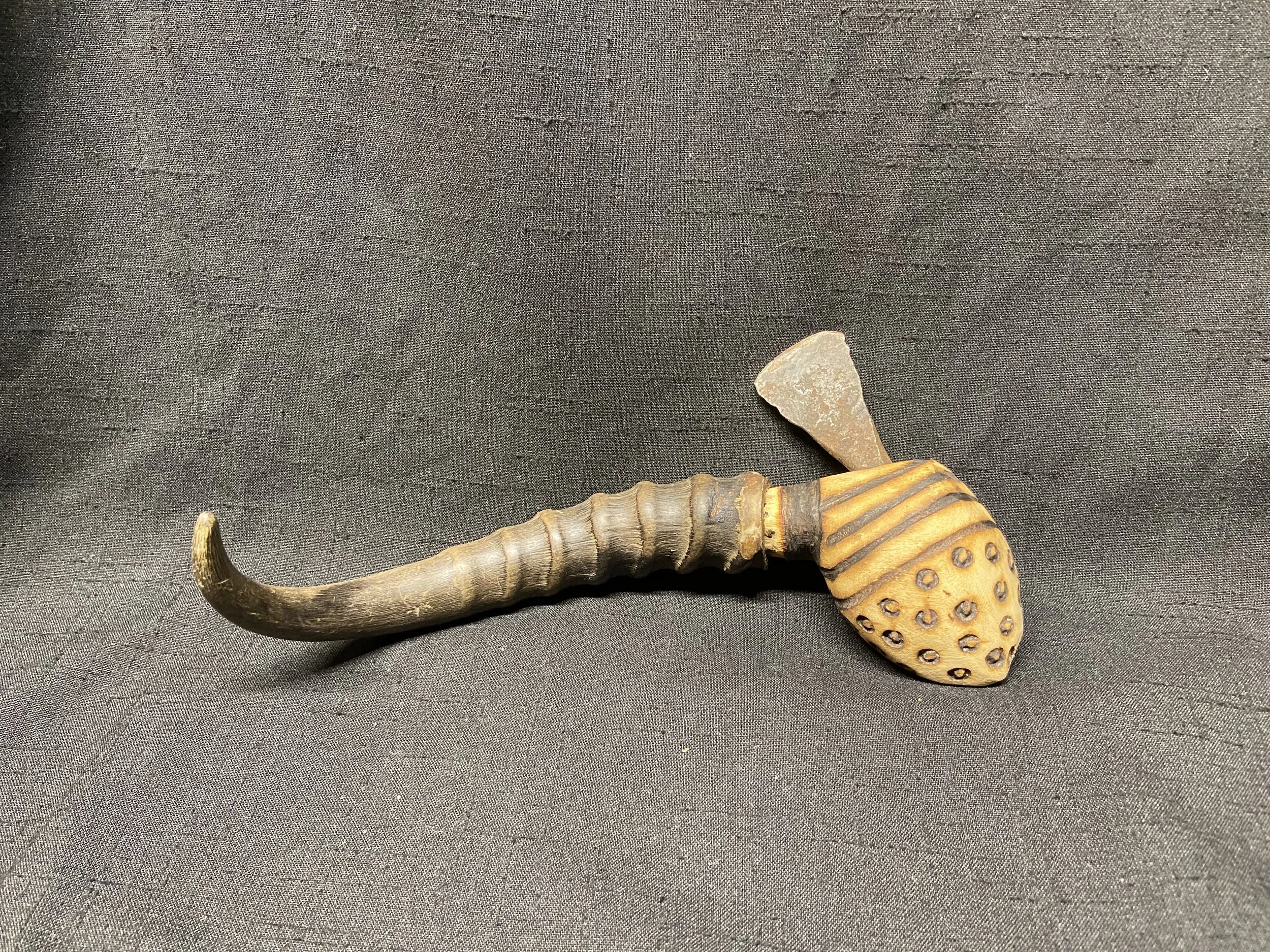
This distinctive hand-crafted souvenir adze features a carved gazelle horn handle paired with a small forged metal blade. The head is decorated with incised geometric patterns and dot motifs, creating an object that is as visually striking as it is tactile. While inspired by traditional adzes and agricultural tools used throughout parts of Africa and the Middle East, this example appears to have been produced primarily as a decorative or tourist-market souvenir rather than as a working implement. The curved gazelle horn handle provides a dramatic organic form, while the carved wooden head and iron blade evoke the appearance of traditional hand tools. Pieces of this type were commonly sold to travelers during the mid-to-late 20th century and remain popular among collectors of ethnographic décor, folk art, and unusual handcrafted objects.
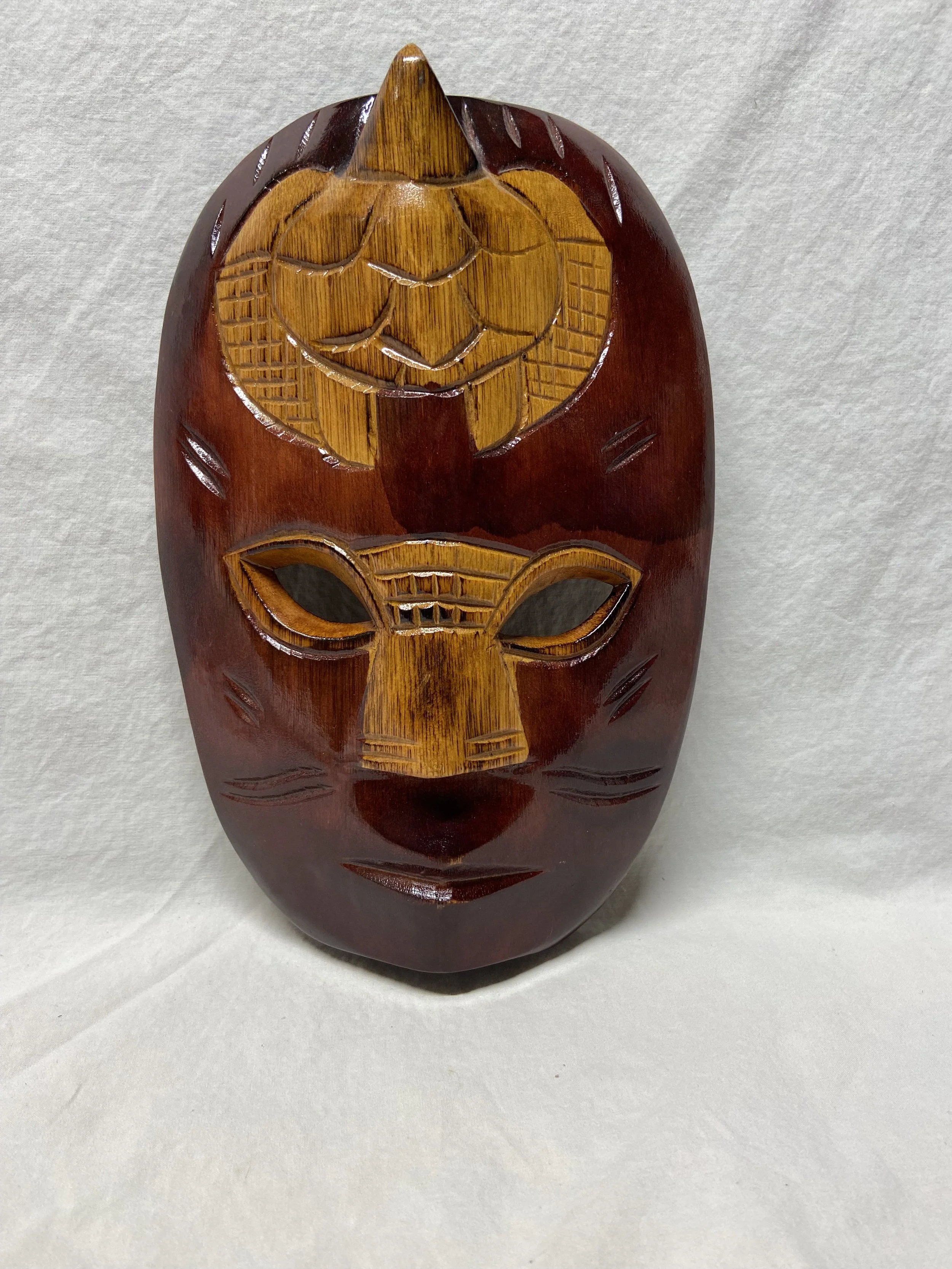
Hand-Carved Fijian Tribal Mask
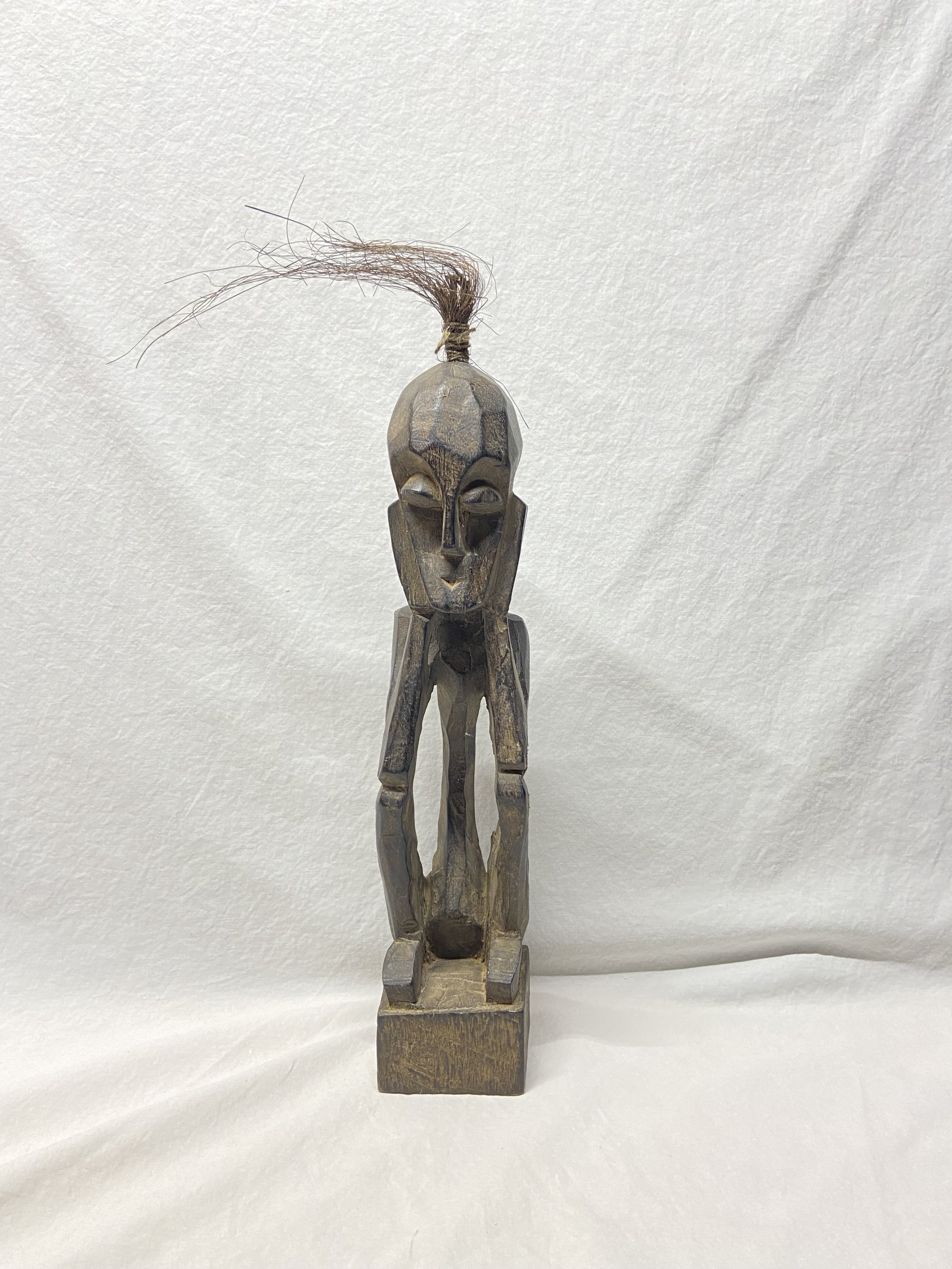
This vintage hand-carved wooden figure depicts a seated, elongated human form with stylized geometric features and an original natural fiber hair adornment. The sculpture displays a minimalist, contemplative pose and a rich dark patina that highlights the hand-carved facets of the wood. The natural fiber hair remains intact but has become dry and brittle with age and should be handled carefully. The figure measures approximately 14 inches tall and weighs 10.4 ounces. The exact country of origin, age, and wood species are unknown. It is offered as a vintage decorative carving with an ethnographic aesthetic rather than as an attributed cultural artifact.
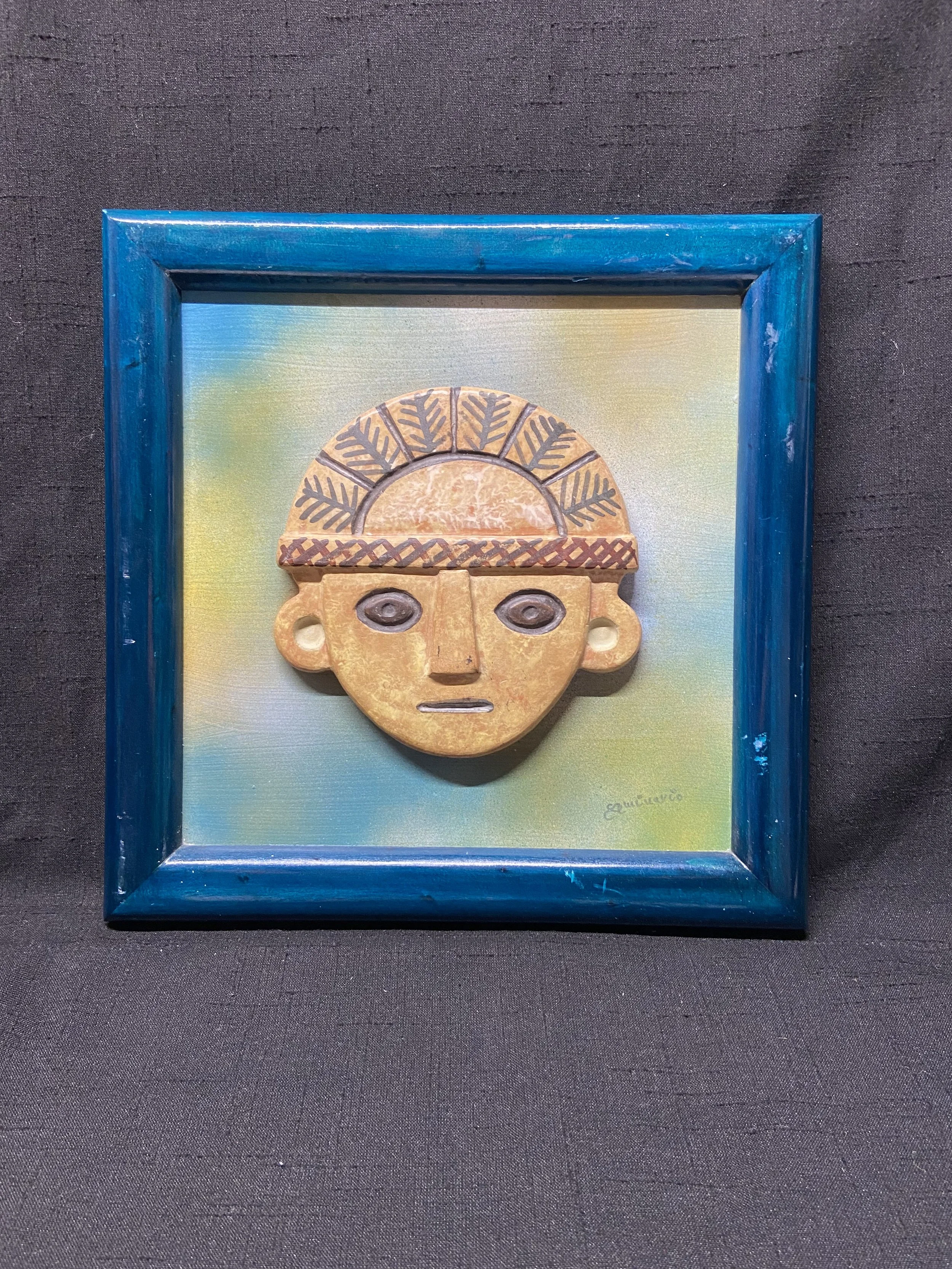
Created in Cusco, Peru, this ceramic wall relief depicts a stylized face inspired by the artistic traditions of the ancient Andes. The geometric headdress, elongated facial features, and circular ear ornaments echo motifs seen in Pre-Columbian cultures such as the Inca and their predecessors. While modern in manufacture, the piece reflects Peru’s long tradition of preserving Indigenous artistic heritage through contemporary craftsmanship.
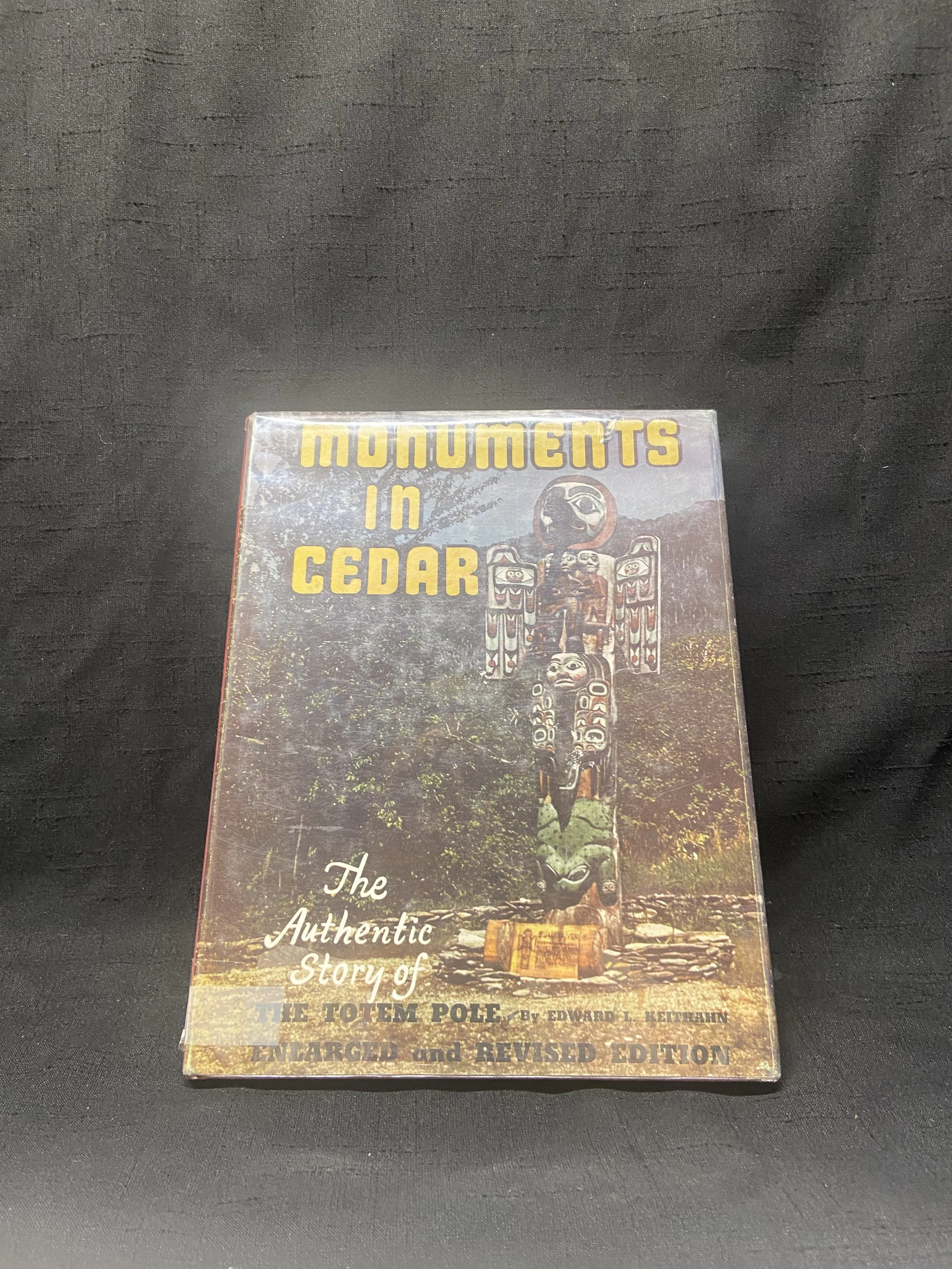
A classic study of the totem poles and artistic traditions of the Indigenous peoples of the Pacific Northwest Coast. Written by historian and educator Edward L. Keithahn, this richly illustrated first edition explores the history, symbolism, craftsmanship, and cultural significance of monumental cedar carvings created by Native peoples of southeastern Alaska and coastal British Columbia. Published in 1963, Monuments in Cedar combines historical research with numerous period photographs documenting totem poles, ceremonial art, villages, and master carvers. It remains an important reference for collectors of Native American art, Pacific Northwest history, anthropology, ethnography, and museum studies. The volume retains its original dust jacket housed in a protective mylar cover and presents well for both collectors and display.
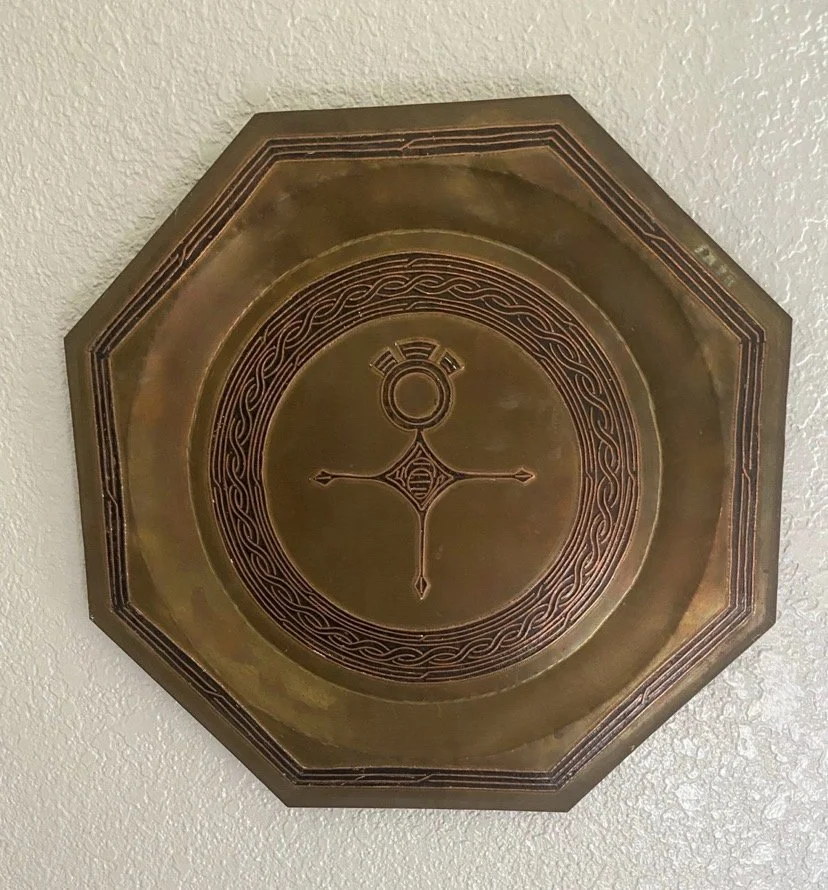
Brass Dish Featuring the Agadez Cross-Coming Soon
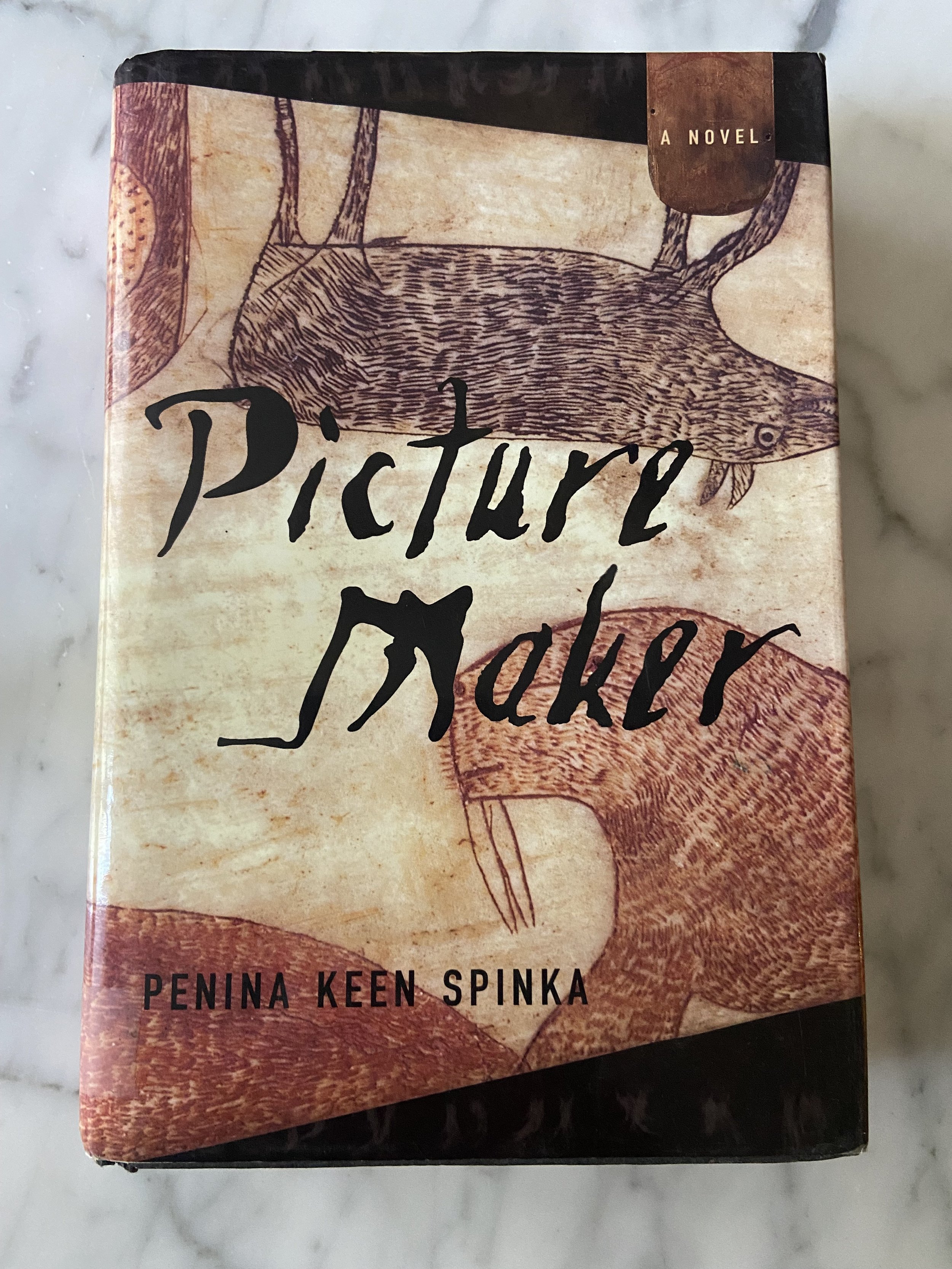
Picture Maker by Penina Keen Spinka is a richly imagined historical novel following a 14th-century Indigenous woman across the landscapes and cultures of North America and Greenland. The story incorporates Indigenous traditions, spirituality, prophecy, survival, cultural encounters, and the world of Norse Greenlanders.