
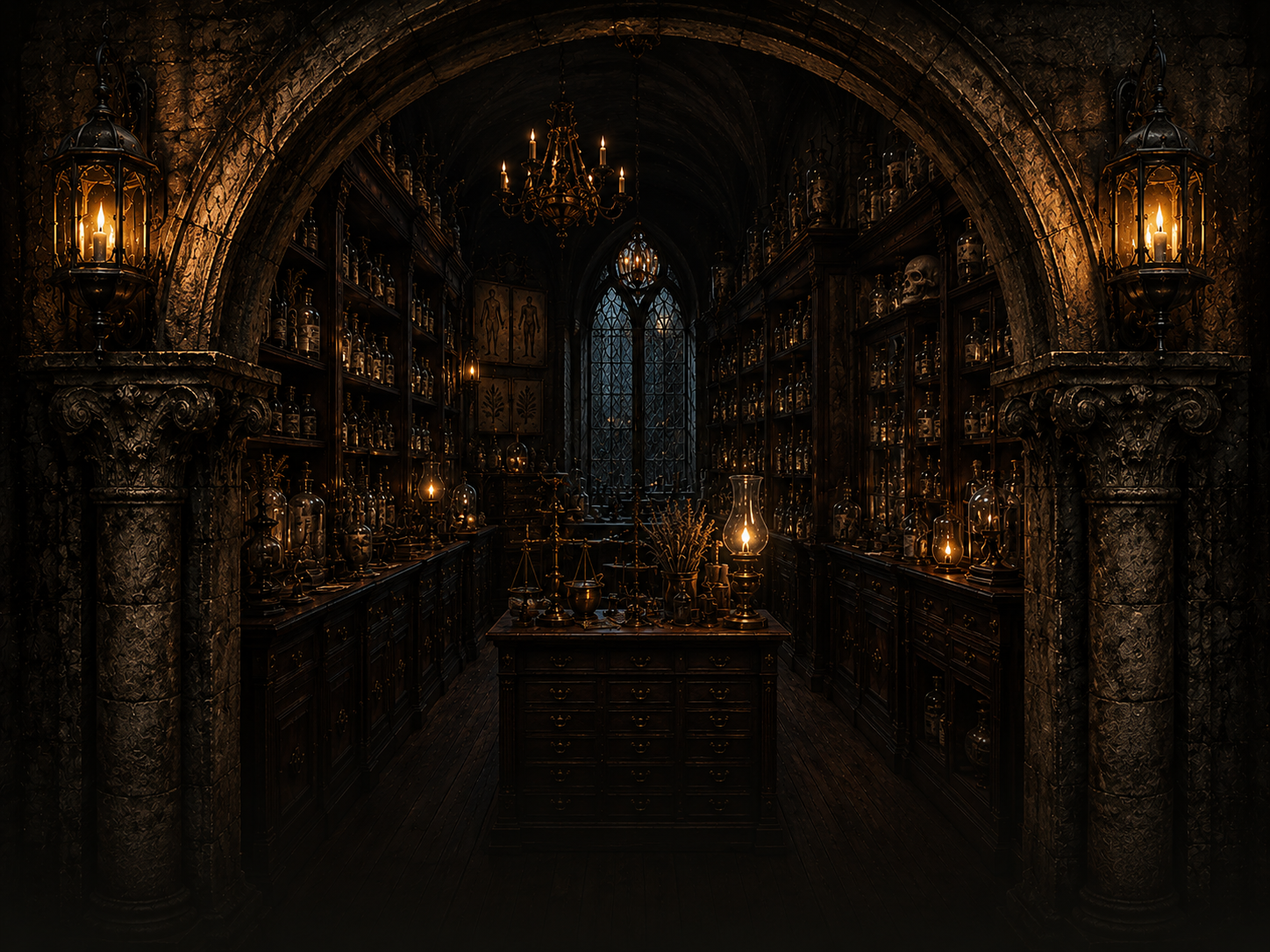
Before medicine became modern science, apothecaries gathered knowledge from every corner of the world. Herbs, minerals, fossils, shells, preserved specimens, and mysterious instruments filled their shelves.
Some remedies worked. Others belonged to folklore. All reflected humanity's enduring effort to understand nature. This gallery invites you into that world where every acquisition has a history waiting to be uncovered.
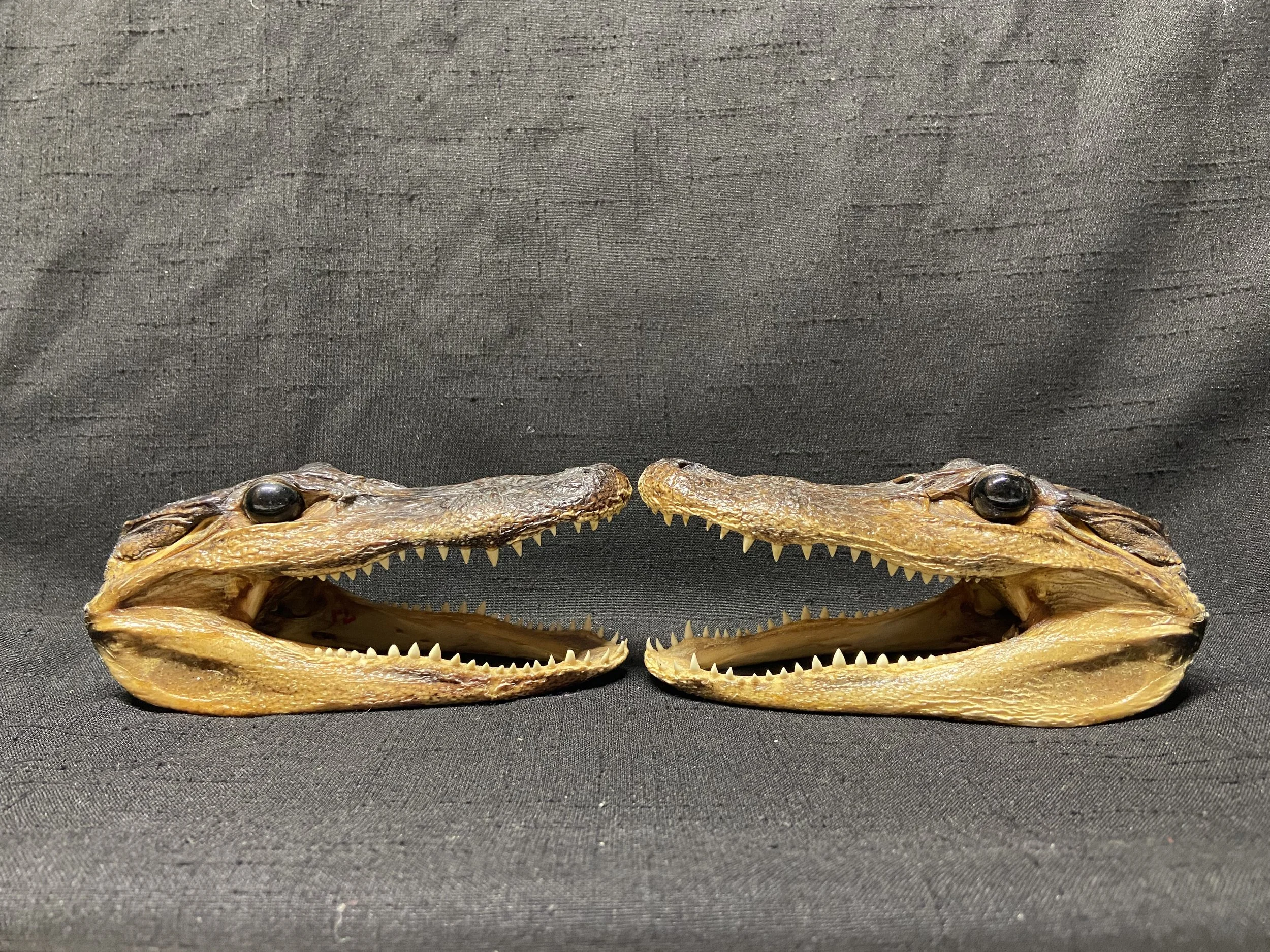
Mounted alligator heads became popular throughout the American South during the twentieth century as travel souvenirs, hunting trophies, and conversation pieces. Equal parts natural specimen and cultural artifact, they reflected an era when explorers, tourists, and collectors brought home pieces of the natural world to display in homes, studies, and curiosity cabinets. Within the tradition of the cabinet of curiosities (Wunderkammer), preserved animals stood alongside fossils, scientific instruments, ethnographic objects, and medical devices. Together they represented humanity's desire to collect, classify, and better understand the world. This specimen continues that tradition, reminding visitors that curiosity often begins with the unusual.
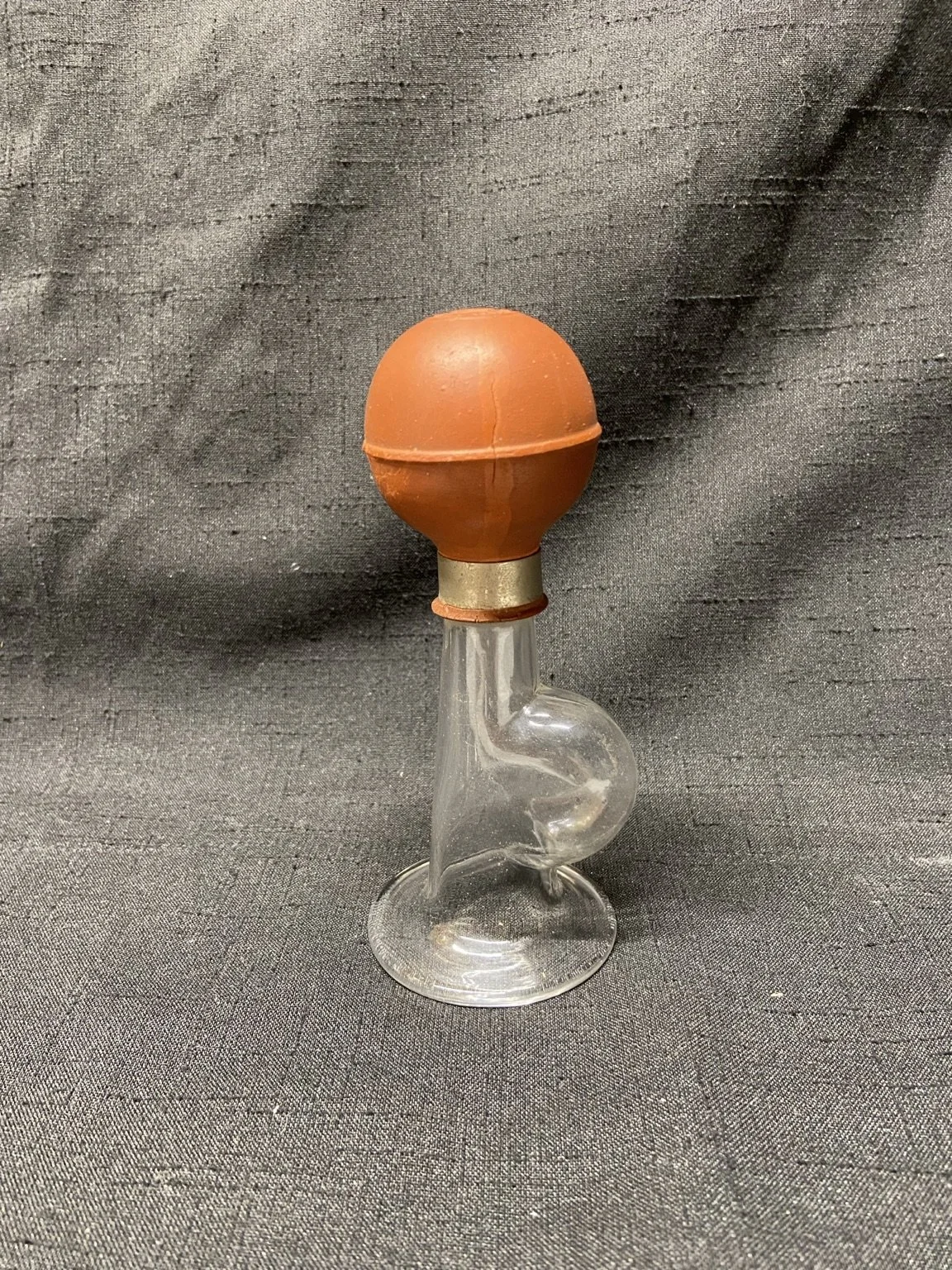
Before electric pumps and modern medical technology, nursing mothers relied on simple hand-operated instruments like this one. Manufactured by the Whitall Tatum Company, the Simplex Sanitary Breast Pump represents an era when glass, rubber, and careful engineering were considered the highest standards of hygienic medical care. Once found in pharmacies, physicians' offices, and family homes, these instruments quietly supported maternal and infant health while documenting an important chapter in the history of medicine. Today they survive as uncommon artifacts that illustrate the evolution of healthcare long before disposable plastics and electric devices transformed the field. Whether displayed in a cabinet of curiosities, a Gothic apothecary, or a medical history collection, this piece serves as a tangible reminder that some of history's most fascinating objects were created not for spectacle, but for everyday life.
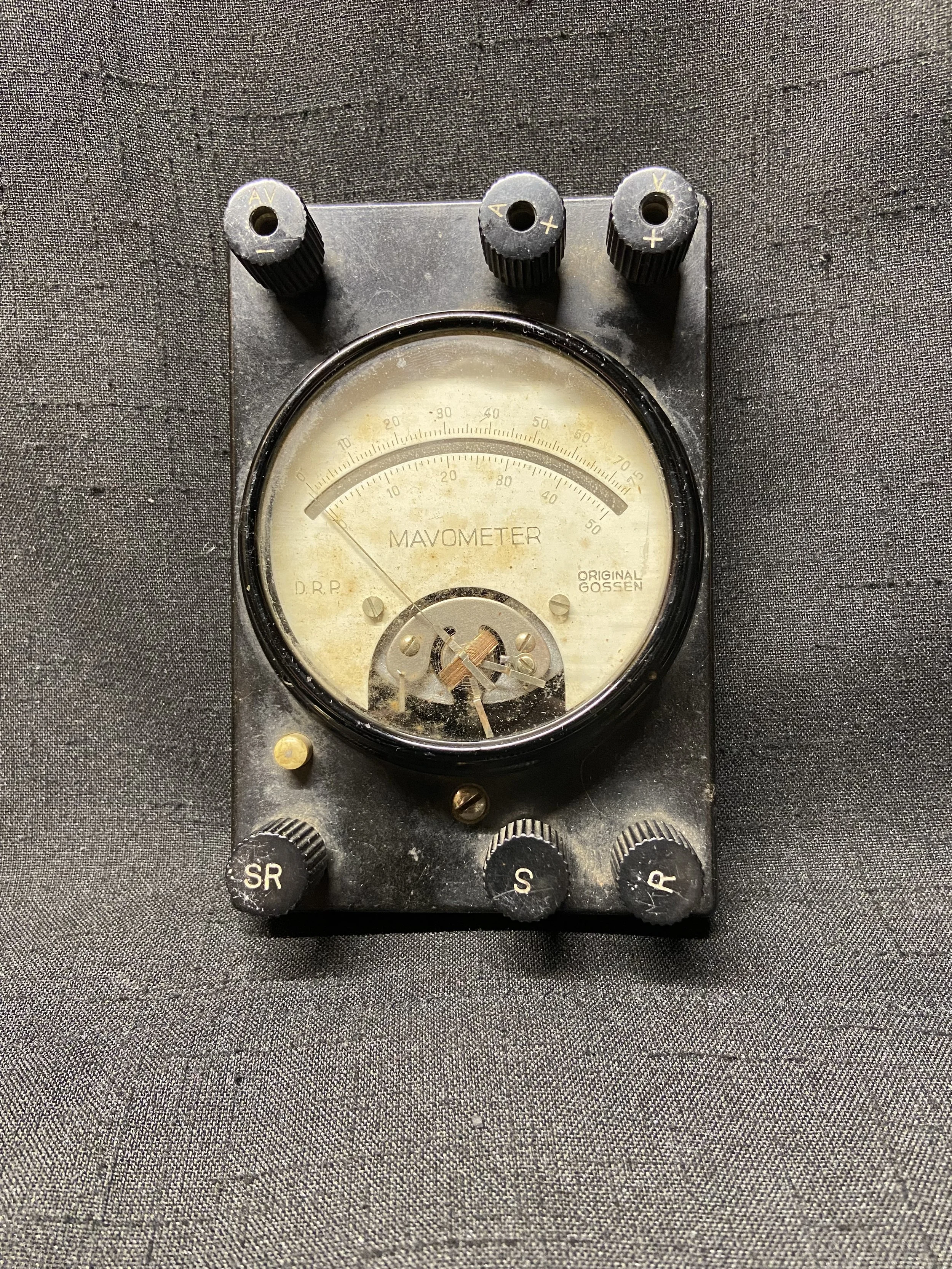
Long before digital electronics, precision instruments like the MAVOMETER allowed engineers to measure invisible electrical forces with remarkable accuracy. Now cataloged in Hall III: The World Beyond Sight at the Anthrofolklorist Museum.
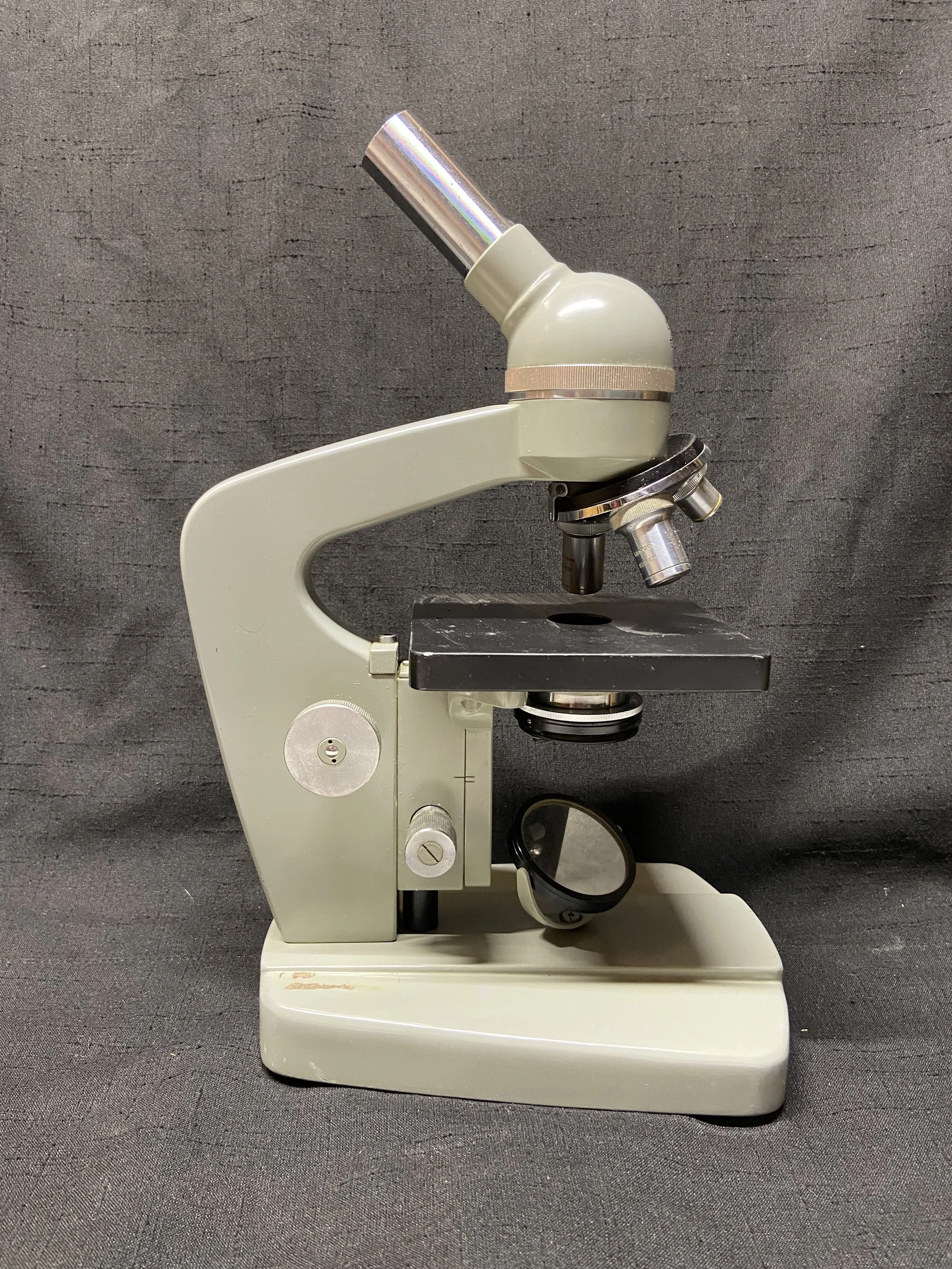
COMING SOON Vintage Tasco Compound Microscope For centuries, microscopes have expanded humanity's understanding of the natural world by revealing organisms, cells, and structures invisible to the naked eye. By the mid-twentieth century, quality optical instruments like this Japanese-made Tasco microscope brought scientific discovery into classrooms, laboratories, and homes, inspiring generations of students to explore the hidden complexities of life. Although this example is incomplete and displayed as a decorative artifact, it remains a tangible reminder of an era when scientific instruments became symbols of curiosity, education, and discovery.
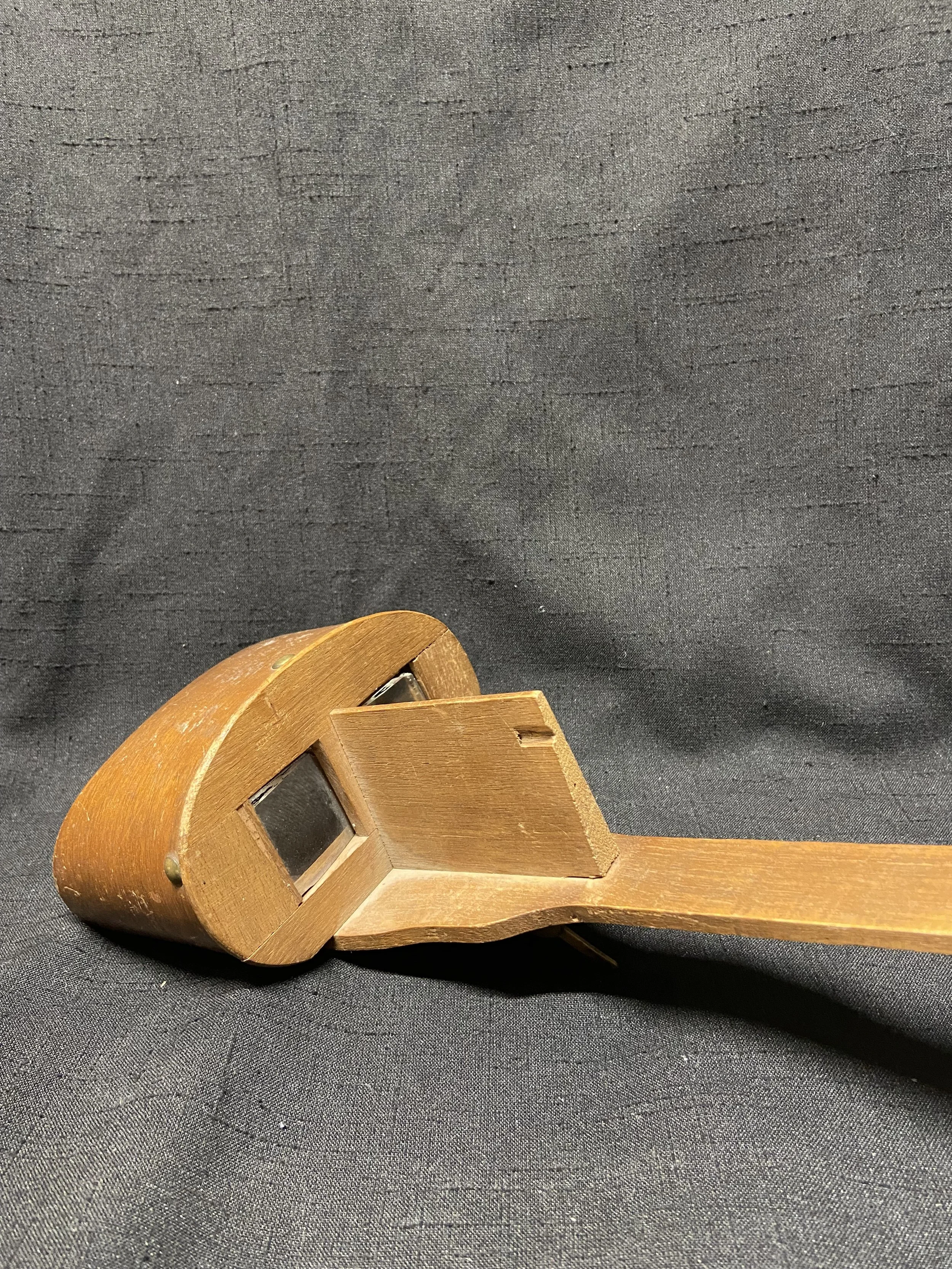
COMING SOON Handheld Stereoscope
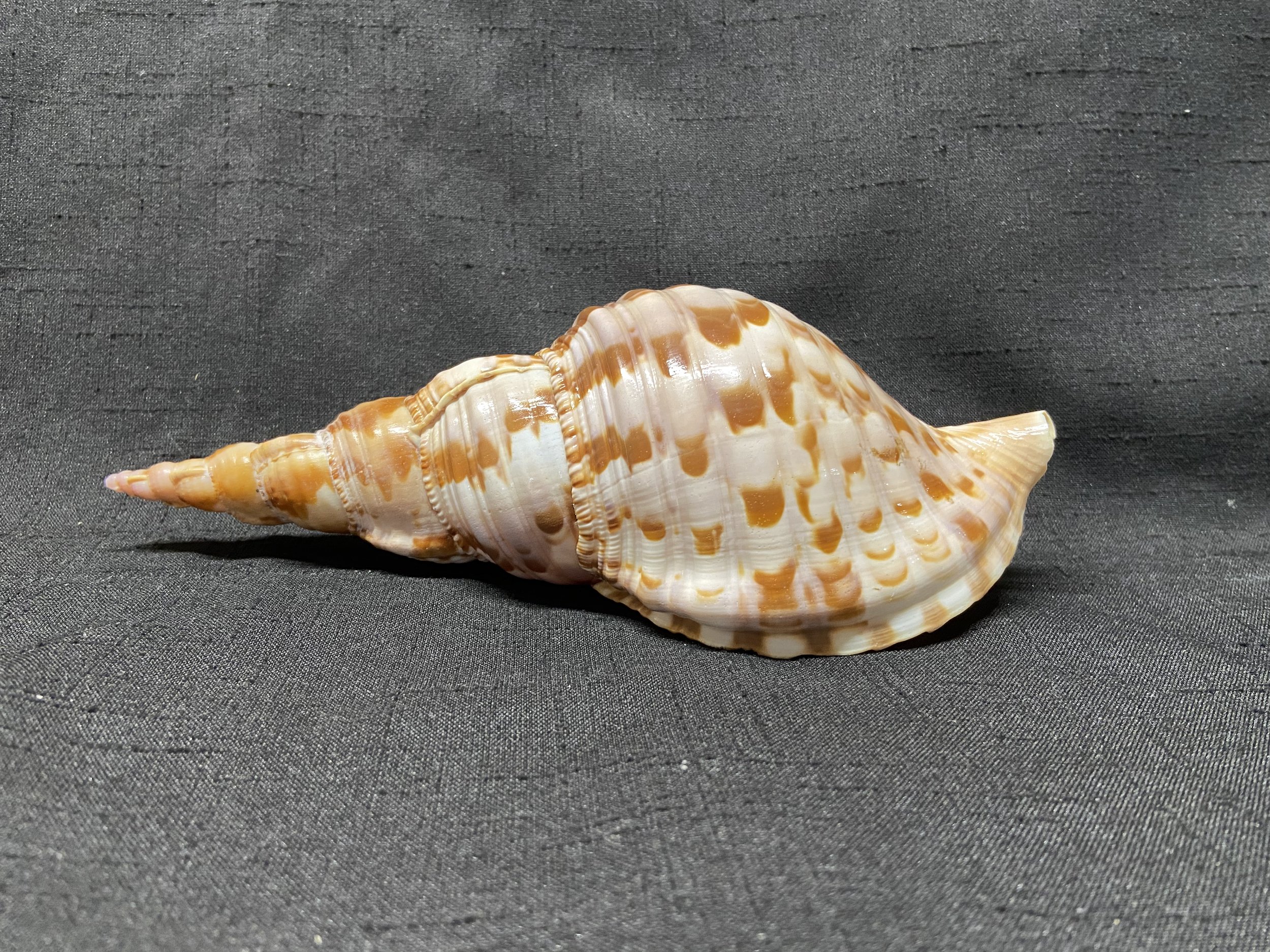
Bring a piece of natural history to your collection with this beautiful 6-inch natural conch shell, featuring a glossy cream/ivory surface with distinctive orange-brown markings. Its sculptural spiral form and warm coloration make it an excellent natural history specimen, coastal display piece, cabinet of curiosities object, or Wunderkammer accent. A striking example of the beauty found in marine life, this shell makes an interesting addition to collections focused on conch shells, seashells, marine specimens, natural history, ocean curiosities, and vintage eclectic decor. Approximately 6 inches long. Very good overall condition with minor natural wear and imperfections.
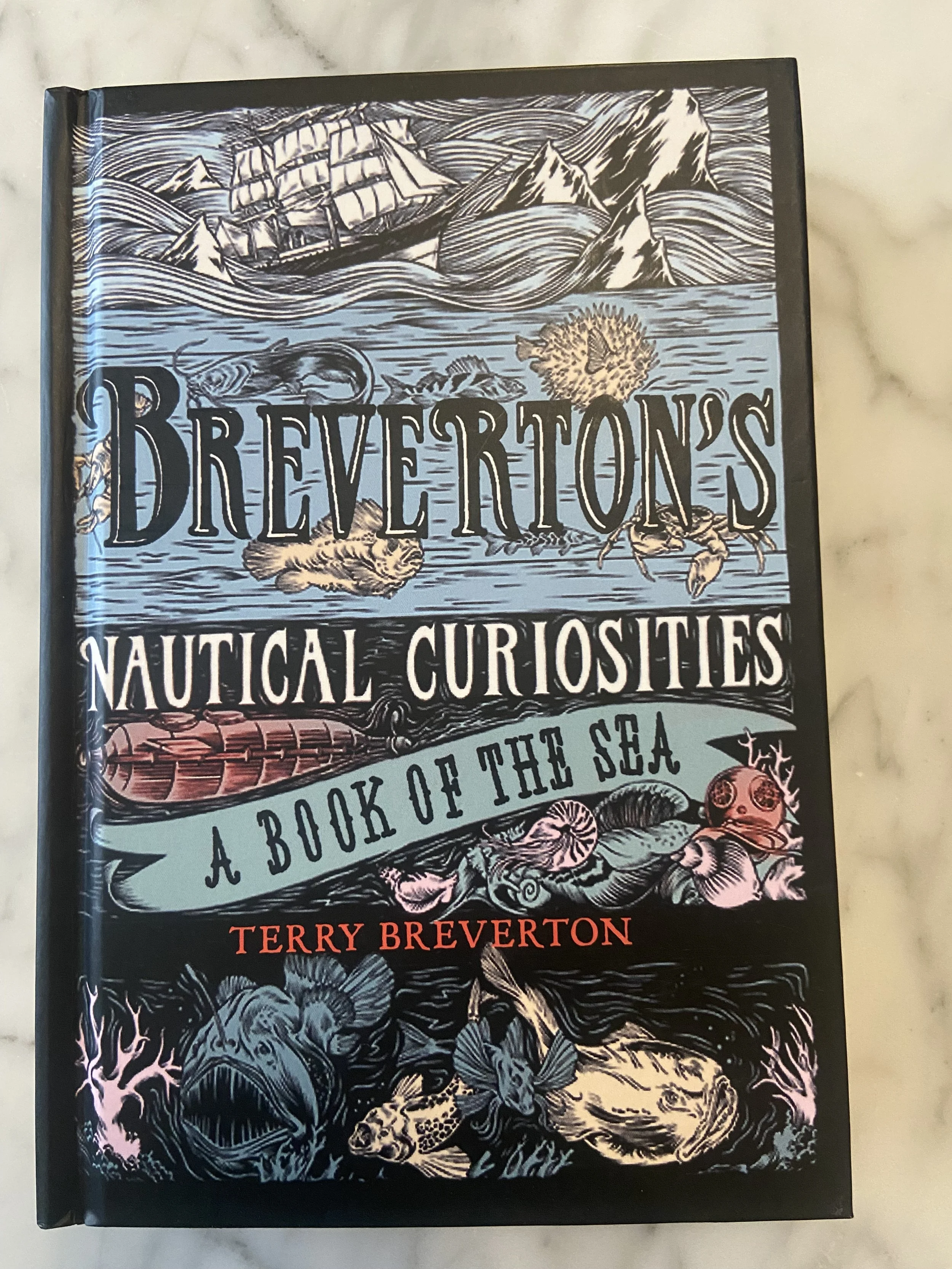
A beautifully illustrated compendium of the sea and everything nautical. Breverton’s Nautical Curiosities by Terry Breverton explores the stories, traditions, language, creatures, ships, legends, inventions, and strange facts that have grown from humanity’s relationship with the ocean.